
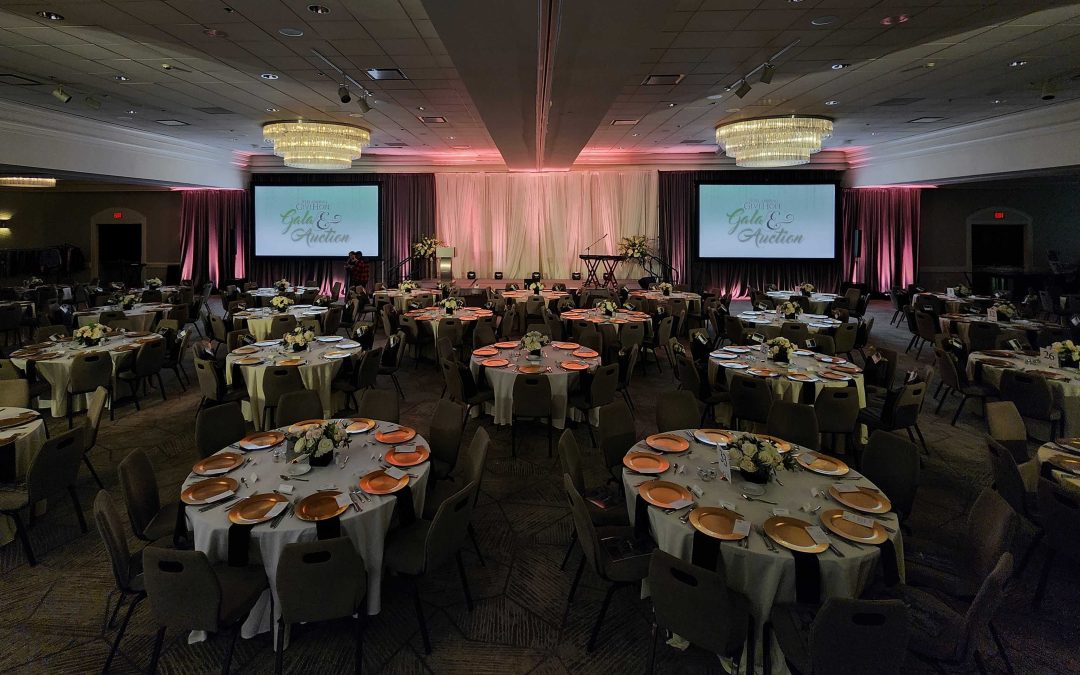
Exceptional events rarely happen by accident. They are the result of thoughtful design, precise logistics, and strong partnerships, especially when it comes to event rentals. Tenting, furniture, linens, and staging do more than fill a room. They influence how guests move, how they feel, and how the event is remembered.
This guide draws heavily from the real-world approach of Aundrea Hopkins, a marketing and events professional known for blending creative vision with operational clarity. Her work in the rental and hospitality space reflects a consistent philosophy: start with intention, communicate clearly, and treat rental partners as strategic collaborators. The steps below translate that philosophy into practical actions you can apply to your own events.
Start with Vision and Guest Experience
Before selecting a single rental item, define the experience you want guests to have. Aundrea consistently emphasizes that rentals should support the emotional and functional goals of the event, not dictate them.
Ask yourself what guests should feel when they enter the space. Comfort, energy, sophistication, or warmth all require different design choices. Clarifying this early helps prevent costly revisions later.
Focus on the purpose of the gathering, sketch ideas or create simple mood boards, and align all stakeholders on the intended experience before reaching out to rental partners. Thinking through guest flow and use of space at this stage will inform everything from furniture layouts to tent sizing.
Prepare Thoroughly Before Engaging a Rental Partner
According to Aundrea, preparation is one of the most overlooked steps in working with rental companies. Clear information saves time and strengthens collaboration.
Come into conversations with a realistic guest count, firm dates, and a clear understanding of the venue. If the event is outdoors, know the site conditions and access points. Document anticipated needs, even if they evolve later, and bring visual references whenever possible. Photos and inspiration images help translate abstract ideas into concrete solutions.
Treat Rental Partners as Creative Consultants
One of Aundrea’s defining practices is viewing rental partners as problem solvers, not order takers. Strong rental professionals offer alternatives, flag potential issues, and suggest options that better align with your goals.
Invite their input by explaining the outcome you want rather than listing products alone. Be transparent about budget and constraints so recommendations are realistic. Ask about new inventory, layouts, or approaches that could improve the event, and request diagrams or renderings to visualize the plan before committing.
Refine the Design with Intentional Feedback
Once initial concepts are in place, refinement becomes critical. Aundrea often encourages planners to mark up layouts, adjust spacing, and question assumptions. This iterative process leads to stronger results.
Review floorplans carefully, balancing creativity with practicality. Consider accessibility, comfort, and traffic flow alongside visual impact. Finalize selections at a detailed level and ensure every item aligns with both the vision and the budget. Confirm all details in writing to avoid misunderstandings.
Set Clear Communication Standards
Clear communication is foundational to Aundrea’s approach. Early conversations should establish how updates, questions, and changes will be handled.
Clarify preferred communication channels, response expectations, and documentation practices. Summarize decisions after meetings and confirm delivery, setup, and strike timelines well in advance. Consistency here builds trust and reduces last-minute stress.
Build Relationships Through Intentional Networking
Aundrea is widely respected for her ability to build meaningful relationships across the events industry. She approaches networking as a way to support others, not just promote herself.
Engage thoughtfully at industry gatherings, introduce people generously, and stay involved in professional organizations. Referrals and long-term partnerships often grow from these connections, strengthening both individual events and the broader community.
Stay Current on Rental Trends and Capabilities
Rental offerings continue to expand, from engineered structure tents to customized furnishings. Aundrea encourages planners to stay curious and informed so they can suggest fresh solutions to clients.
Attend open houses, explore new catalogs, and pay attention to trends emerging from private events and international markets. Firsthand exposure makes it easier to recommend innovative options with confidence.
Protect Rental Inventory with Care and Accountability
Respect for rental inventory reflects professionalism. Aundrea stresses the importance of treating rented items as shared assets.
Ensure teams understand proper handling procedures, conduct thorough post-event checks, and communicate promptly if issues arise. Proactive accountability strengthens vendor relationships and avoids unnecessary disputes.
Learn Through Experience and Continuous Growth
Formal training has limits in an industry as hands-on as events. Aundrea often points to lived experience as the most effective teacher.
Seek opportunities to work across roles, request feedback after each event, and remain active in professional development. Mentorship, both given and received, accelerates learning and builds resilience.
Offer Solutions, Not Roadblocks
Clients will occasionally request ideas that are impractical. Aundrea’s approach is to respond with guidance rather than rejection.
Explain constraints clearly, propose alternatives, and frame recommendations around achieving the same overall effect. Flexibility paired with education builds trust and leads to better outcomes.
Event rentals are not just logistical necessities. They are the framework that supports every moment of the guest experience. By applying the principles demonstrated in Aundrea Hopkins’ work, planners can approach rentals with clarity, creativity, and confidence.
Strong communication, thoughtful preparation, and collaborative partnerships turn rentals into a strategic advantage. Each event then becomes an opportunity to refine your process, strengthen relationships, and raise expectations for what is possible.
To listen to Aundrea Hopkins and Seth Macchi discuss these points further, tune into their podcast episode here: