
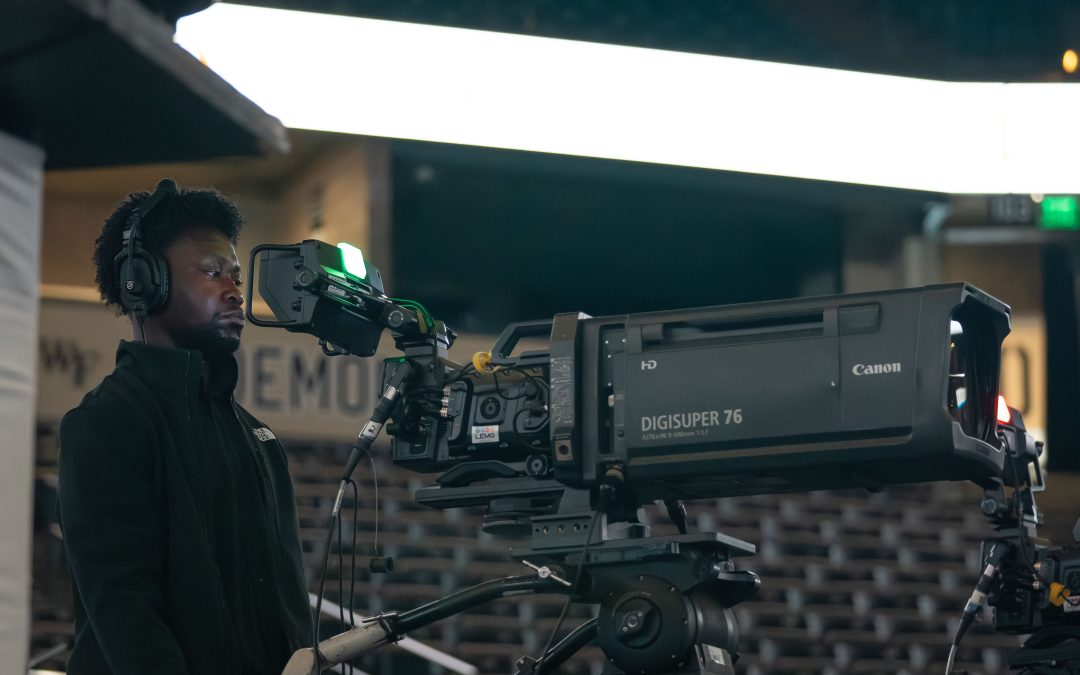
Behind every standing ovation, every awe-inspiring light show, and every perfectly timed reveal at a business gathering is a team working around the clock to create experiences that feel effortless. In a recent conversation between production manager and content creator Brian McGuigan and host Seth Macchi, the discussion centered on what truly fuels live events today, how technical teams work behind the curtain, and why storytelling has become a key part of showcasing the craft.
The Unlikely Road to Event Production
Many people in technical production started their careers in places far from LED walls and lighting consoles, and Brian’s path is a perfect example. His early creative interests in photography and videography sparked opportunities at a local venue, where filming concerts and backstage footage naturally connected him with production crews. That proximity to the work revealed how much potential there was behind the scenes, eventually leading him to hands-on technical roles and larger opportunities.
In event production, curiosity and participation frequently open doors you never planned for. A side project, a shift helping a friend, or a chance meeting with a crew can open the door to entirely new skill sets.
Lessons Learned from Every Level
Brian’s early experience with small productions helped shape the way he operates today. Wedding cues, nightclub lighting, and modest concerts may look simple from the outside, but they force technicians to make precise decisions with no room for error. Those same instincts carry into high-stakes corporate and political events, where timelines shrink and the pressure intensifies.
Seth highlights how these incremental experiences strengthen problem-solving skills and confidence. Every task, no matter how routine, builds the muscle memory that makes larger shows possible.
Highlighting the Process Through Digital Content
One of the most distinctive aspects of Brian’s work is the way he documents his process. Instead of narrating to the camera, he focuses on the transformation itself: an empty ballroom becoming a fully built stage, or a stack of cases becoming a finished LED wall. His short-form videos show the craft, rhythm, and detail of production work in a way that resonates with both industry peers and curious viewers.
This approach carries a broader lesson for planners and technicians. By showing each step, not just the final moment, creators can help demystify the work, educate clients, and build a recognizable personal brand. A single setup can produce dozens of compelling pieces of content when the process is broken into visual moments.
What Event Planners Can Learn from Social Media Storytelling
For planners looking to grow their presence online, Brian encourages a shift in mindset. Finished event photos are great, but they rarely stand out on their own. What draws people in is a behind-the-scenes look at how things come together: testing lighting, placing décor, troubleshooting a cue, prepping a green room.
Quick clips or snippets showing these steps not only build credibility but also help audiences understand the value of the work. Over time, these small windows into the process become a powerful archive of your expertise.
Demystifying Technical Production for Planners
A frequent challenge in event planning is understanding how all the technical elements must align for a show to run smoothly. Brian emphasizes the value of early communication. Sharing details with vendors and technicians as soon as possible allows teams to manage staffing, rentals, timelines, and contingencies with much greater precision.
Production is more than just equipment; it’s coordination. Giving technical teams room to plan leads to cleaner execution and fewer surprises once the doors open.
Looking Ahead: A More Media-Driven Era
As more events incorporate live streaming, on-demand content, and hybrid audiences, Brian predicts that productions will continue to grow more media-centric. Smaller, specialized teams will play bigger roles as organizations seek agility and custom solutions. Meanwhile, Seth notes that while technology will evolve, the core mission—supporting human connection through live experiences—remains unchanged.
A New Age of Transparency and Connection
What emerges from this conversation is a reminder that sharing the craft behind events strengthens the entire industry. Showing the process builds trust, reveals expertise, and honors the work happening long before attendees walk in.
Brian’s approach underscores the value of curiosity, creativity, and openness. Documenting routine tasks has helped him reach new audiences and shine a light on the often overlooked contributions of technical teams.
For planners, producers, and technicians alike, the message is clear: the process matters. When you share how each piece comes together, you help people appreciate the magic long before the show begins.