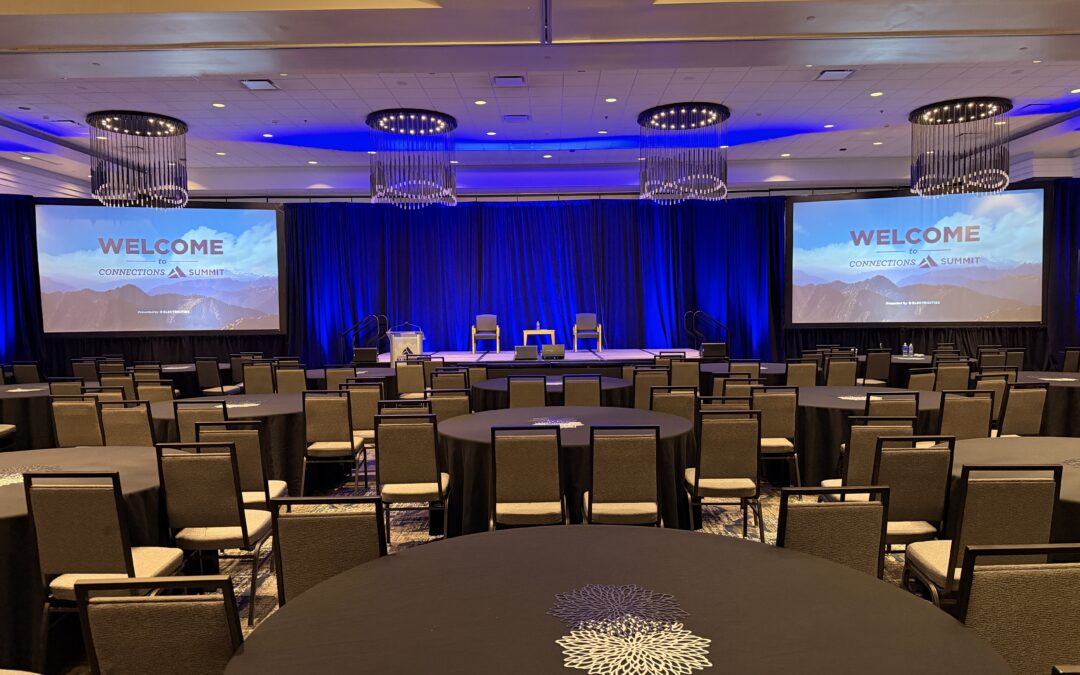
When planning a corporate event, one of the most significant and misunderstood investments is audio visual production. As costs rise and expectations for flawless execution increase, understanding how to maximize value, reduce stress, and set up your team and presenters for success becomes more important than ever. Drawing from recent guest on The Event Pro Show Cameron Magee’s extensive experience building avad3 into a trusted leader in national event production, let’s explore best practices for working with AV partners, effective budgeting, and elevating your event’s outcomes.
Why Prioritizing Quality AV Matters
For professionals new to event planning, the line item for AV can seem daunting. Yet, Cameron points out that the true value of professional production isn’t just about flashy equipment or more microphones. Corporate clients often discover the difference only after years of stress with in-house teams not delivering to expectation. What production companies like avad3 and LEMG offer is more than the hardware physically present in the ballroom; it’s a holistic service that encompasses planning, execution, troubleshooting, and ensuring your presenters—and by extension, your brand—shine on the event’s most high-stakes days.
Planners with years of experience often immediately appreciate the relief a seasoned AV partner brings. Cameron Magee recounts receiving heartfelt feedback from organizers who did not realize how much mental energy they had been expending managing technical logistics, only regaining that focus for guests and stakeholders once a true partner managed AV. With an expert team on board, the planner is freed to focus on strategic elements: sponsor satisfaction, networking, and the event experience, rather than frantically tracking down backstage issues.
Building Strong Foundations: The Value of Early Collaboration
A critical piece of advice from Cameron and Seth is the importance of involving your AV partner early in your planning process. This extends even to the point where major format or ballroom usage decisions are being made. Waiting until your venue, agenda, or vendor contracts are finalized can inadvertently build expensive constraints into your event. Many planners discover too late that room selection, timing of main sessions, or movement between spaces carries significant AV cost implications.
For instance, the physical logistics of a venue such as access to loading docks, rigging points, and room access times directly influence production budgets. Cameron Magee recalls numerous occasions when a simple conversation with AV during site selection allowed for major cost savings, by highlighting potential overtime charges, unnecessary equipment rentals, or ways to harness existing resources in the venue. Even regarding scheduling, something as simple as shifting the time of a general session or awards night can enable your production team to avoid expensive overtime labor, keep crew fresh, and enhance show quality.
Therefore, the teaching is straightforward: involve your AV partner before cementing your schedule or finalizing venue arrangements. You’ll gain not only cost efficiency but also design flexibility, preventing unnecessary stress closer to event time.
Preparing for Success: Rehearsals, Content, and Presenter Experience
As corporate events grow in complexity, the rehearsal window has become one of the most important aspects of preparation. Cameron explains that the period roughly 12 hours before an event is where cost overruns and reputation risks peak. Often, the client’s leadership or key speakers arrive for rehearsal expecting technical readiness, and any deficiency here threatens both your event’s perception and your own standing as planner.
Content preparation is non-negotiable. AV teams can operate at their best only once presentations are delivered, legal and communications reviews are complete, and all builds and media assets are loaded and tested. He recommends proactively communicating deadlines to presenters and their support staff. For example, organizing a pre-rehearsal “speaker ready room” for presenters to test their decks in advance can catch issues before they escalate. Communicate back from your event date to determine when legal, branding, and design reviews must be finalized. This process requires the same rigor planners apply to registration timelines or catering orders.
Planners should also be attuned to the needs of presenter experience. Most corporate speakers are not seasoned professionals. Providing a sound, reliable technical framework instills confidence. Every effort to help presenters feel cared for, from a smooth sound check to correctly formatted slides, translates into better delivery and enhanced attendee impact. If the AV partner manages details like clicker cues or last-minute font issues, the presenter can focus on their message, not the technology. This can turn what may be one of the most vulnerable moments of their year into a success, reflecting directly on the planner’s effectiveness.
Crafting Effective RFPs and Budgeting Realistically
Ineffective requests for proposals (RFPs) are a persistent source of confusion and later budget swings. An RFP should communicate the core event elements without overwhelming or irrelevant technical minutiae. It is more productive to share audience size, the maximum number of simultaneous presenters, a draft agenda, contractual venue constraints such as access times, and a summary of the primary team members involved in show execution. Avoid getting lost in details like the precise number of microphones unless you are certain, as these are minor cost differentiators in the context of a large event and can be adjusted easily.
Importantly, don’t withhold information in an attempt to find hidden savings or avoid vendor “upsells.” The more context you give—a rough budget range, intentions for the event’s energy and audience engagement, internal resources available for design or video editing—the more accurately a good AV partner can construct an efficient, customized solution. Omitting critical details, whether intentionally or due to compressed planning timelines, often backfires, resulting in misaligned expectations and costly change orders.
Reducing AV Expenses with Strategic Planning
There are several strategies for controlling AV costs that stem from preparation and partnership, not penny-pinching on critical show elements. Review all assets and related budgets openly during your early planning sessions. Ask your AV company to review event materials you might otherwise purchase from a print vendor. Clients have frequently saved money by shifting signage budgets from print to digital assets, leveraging LED screens already in use for more dynamic branding and real-time updates. Similarly, review the complete production calendar with your AV partner; small changes in venue access or session timing might yield labor cost savings without any compromise on show quality.
Creating long-term, collaborative relationships with trusted AV companies also bears fruit over time. When you view your AV partner as an extension of your planning team rather than a transactional supplier, you gain an advocate who is invested in continually finding efficiencies and creative options for your events. This open dialogue produces better outcomes and enables the AV team to contribute their field experience, helping the entire event improve year over year.
Unlocking Hidden Value in Existing AV Assets
Event planners may not always realize the full creative or experiential potential of gear already in the production plan. Large LED screens or elaborate projection blends are sometimes used for nothing more creative than a static logo or background. Instead, planners should challenge their AV and production teams to think beyond mere display. Leverage these assets for animated graphics, live social engagement, dynamic sponsor recognition, or creative backdrops for different session types.
The technical staff on your event are often multi-talented and eager to contribute more than just the basics. Engage them in brainstorming walk-on music cues, voiceover announcements, or special lighting transitions during awards or transitions. Even for smaller events, a thoughtful lighting design or dynamic audio moment can significantly raise the perceived production value without major increases to the budget.
The Future of Corporate AV
Looking ahead, the evolution of AV in corporate events will integrate hybrid audience engagement and repurposing of live content for broader strategic returns. Not every attendee or stakeholder needs to participate for an entire event schedule. Frequently, organizations will incorporate remote viewership for keynote moments or major unveilings, enlarging the event’s impact without additional travel or onsite costs.
Consider, too, how to capture and reuse the best of your event’s presentations. Instead of letting thoughtful messaging or compelling moments vanish once the session ends, plan with your AV and video teams to create sizzle reels, social segments, or internal recaps that make your investment echo long after the lights go down.
Building Your Playbook for AV Success
Effective corporate event production is built on preparation, communication, and partnership. Engage your AV provider early, share critical and honest information, and use their input to inform your logistics and budgets. Support presenters through thoughtful rehearsals and technical preparation. Your leadership, your stakeholders, and your own stress levels will benefit. Finally, continually look for ways to repurpose assets and unlock the human and technical potential of your AV team for more memorable and efficient events. Following these steps will set you on a reliable course, establishing events that achieve their business goals while reflecting your organization’s standards and creativity.
To listen to the full podcast episode with host Seth Macchi and guest Cameron Magee, click here: