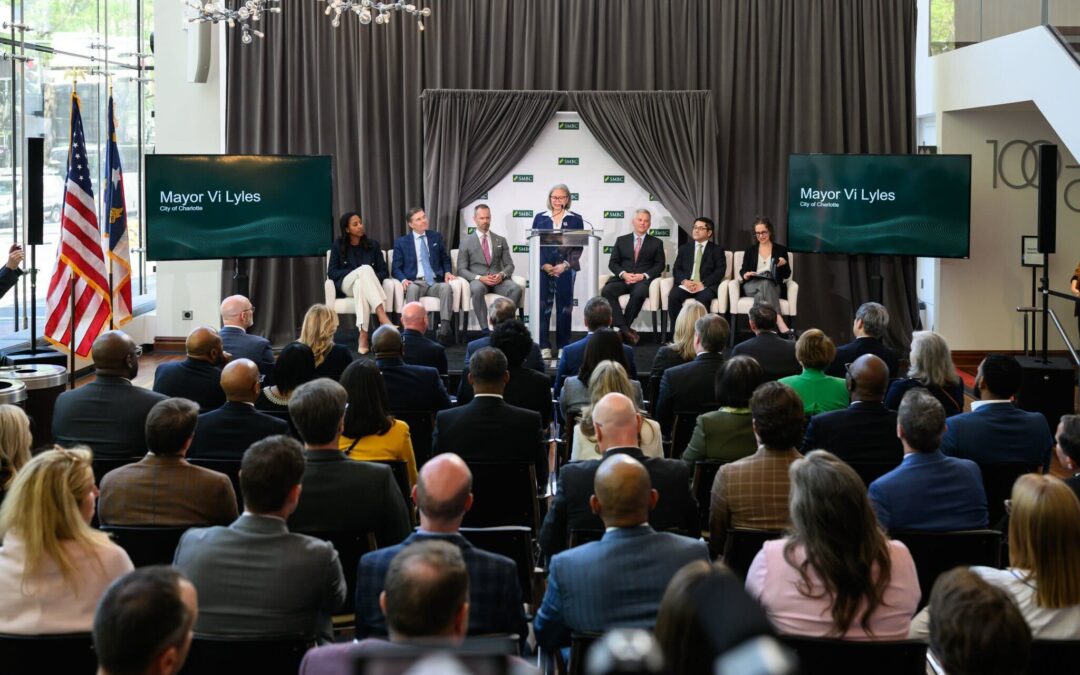
There is a common pattern across corporate events. Teams spend months planning content, aligning speakers, and building an experience that delivers real impact in the room. Cameras capture every angle, sessions are recorded, and by the time the lights go down, there is a full library of material ready to be used.
Then it sits.
Hard drives fill up. Files are archived. And what was once a high-energy, high-investment production becomes something that is rarely revisited.
That gap between what is created and what is actually used is where many organizations lose momentum. It is also where a smarter content strategy can completely change the return on the effort that went into the show. Let’s break down how to approach content with intention, how to extend its lifespan, and how to build a process that turns one stage moment into ongoing value.
Start With a Different Mindset
The first shift is simple but important. Stop thinking about content as something that happens after the show. Content is not a recap. It is not a highlight video you decide to make once everything is over. It should be part of the plan from the beginning.
When content is treated as an afterthought, teams are forced to work with whatever was captured. That often leads to missed opportunities. Key moments may not be framed correctly. Audio may not be optimized for reuse. Speakers may not be prepared for how their material will live beyond the stage. A better approach is to plan for content at the same time you plan for the experience itself.
That means asking a few practical questions early:
- What moments matter most beyond the room?
- Who is the audience after the show ends?
- Where will this content live in the weeks and months that follow?
When those answers are clear, production decisions become more intentional. Camera placement, lighting, audio capture, and even stage design can support both the live audience and the long-term use of the material.
Identify What Is Actually Valuable
Not every second of footage needs to be repurposed. One of the biggest challenges teams face is volume. Hours of recordings can feel overwhelming, which leads to inaction.
Instead of trying to use everything, focus on what has real value. Keynote moments are an obvious starting point. Strong storytelling, clear messaging, and emotional connection often live in those sessions. But value also shows up in less obvious places. Panel discussions often contain candid perspectives that resonate with audiences. Q&A segments can surface practical answers to real problems. Behind-the-scenes interactions can add a human layer that formal presentations do not always capture.
The goal is to identify moments that stand on their own. A useful filter is this: if someone had not attended the original show, would this still be worth their time? If the answer is yes, it is a strong candidate for repurposing.
Break Content Into Usable Pieces
One of the most effective ways to extend the life of content is to stop thinking in full-length sessions. Long-form recordings have value, especially for internal teams or dedicated audiences. But most external audiences engage with shorter, more focused pieces. Instead of publishing a 45-minute keynote as a single asset, break it into segments.
A single presentation can become:
- Short video clips for social platforms
- A written article based on the main message
- Audio segments for podcast-style distribution
- Quote graphics that highlight key statements
This approach does not require creating new material. It is about reshaping what already exists into formats that match how people consume content today. Shorter pieces are easier to share, easier to understand quickly, and more likely to be used consistently over time.
Build a Simple Workflow
Even the best intentions can fall apart without a clear process. One of the main reasons content goes unused is that no one owns the next step. A simple workflow can solve that. Start by defining responsibility. Someone needs to be accountable for organizing footage, identifying key moments, and moving assets into production. Next, establish a timeline. Content should not sit untouched for weeks. The sooner it is reviewed and processed, the more relevant it remains.
A practical timeline might look like this: Within a few days, organize and review raw footage. Within a couple of weeks, identify key segments and begin editing. And within a month, start publishing and distributing content. This does not need to be complex. The goal is to create momentum so that content continues to move forward instead of getting lost in other priorities.
Align Content With Business Goals
Content is most effective when it serves a purpose beyond simply being seen. Before publishing anything, connect it to a larger goal. That could mean supporting a marketing campaign or reinforcing a company message. It can also focus on educating a specific audience or extending the reach of a speaker’s ideas.
When content aligns with a goal, it becomes easier to decide what to create and where to share it. For example, if the goal is to support sales, content can focus on addressing common client challenges. If the goal is brand awareness, shorter clips designed for broader reach may be the priority. Without that alignment, content can feel scattered and inconsistent.
Prepare Speakers for Content Use
Speakers play a major role in how usable content becomes after the show. Many presenters focus entirely on the live audience, which is understandable. But a small amount of preparation can make their material far more effective beyond the room. Encourage speakers to deliver clear, concise points that can stand on their own and avoid overly complex slides that are difficult to adapt into other formats. They should also be aware that their words may be used in shorter clips or written pieces.
This does not require changing their style. It simply helps ensure that what they deliver can be adapted more easily. When speakers understand how their content will be used, they often become more intentional with their messaging.
Use Content to Extend the Experience
One of the most overlooked opportunities is using content to maintain connection after the show. The experience does not have to end when attendees leave the venue. Follow-up content can keep audiences engaged and reinforce key messages. This might include sending attendees curated clips based on the sessions they attended and sharing additional material that builds on topics introduced during the show. It can also involve creating a series of posts that revisit key themes over time.
This approach turns a single moment into an ongoing conversation. It also provides more value to attendees, who can revisit ideas at their own pace.
Avoid Common Pitfalls
There are a few patterns that tend to limit the effectiveness of content efforts. One is waiting too long. The longer content sits unused, the less relevant it becomes. Timeliness matters, especially when topics are tied to current challenges or trends. Another is trying to do too much at once. Large volumes of content can feel overwhelming. Starting with a focused set of high-value pieces is often more effective than attempting to process everything. A third is inconsistency. Publishing a few pieces and then stopping does not create lasting impact. A steady, ongoing approach is more valuable than a short burst of activity. Finally, avoid treating content as a one-time effort. The goal is not just to create assets, but to build a system that can be repeated and improved over time.
Measure What Matters
To understand whether content is working, track how it is being used and received. This does not need to be overly complicated. Basic metrics can provide useful direction. Look at engagement with video clips or posts and how audiences interact with them over time. Pay attention to how long people spend with written content and what feedback comes from both audiences and internal teams. Also consider how well the content supports broader goals such as lead generation or audience growth.
The purpose of measurement is not just to report results. It is to inform future decisions. If certain types of content perform well, create more of them. If something is not resonating, adjust the approach.
Build for the Long Term
The most effective content strategies are not built around a single production. They are designed to grow over time. Each show adds to a larger library. Each piece of content contributes to a broader narrative. Over time, this creates a valuable resource that can be used across multiple channels and initiatives.
It also reduces the pressure to create something entirely new each time. Instead, teams can build on what already exists. The difference between unused footage and ongoing value is not technology. It is intention. When content is planned early, shaped with purpose, and supported by a clear process, it becomes an extension of the experience rather than a leftover from it.
The effort that goes into planning and producing a show is significant. Extending that effort beyond the stage allows organizations to get more from what they have already created. With the right approach, one moment on stage can continue to deliver value long after the room is empty.
To learn more about reusing your event content, you can visit Sam McDonald’s company site, echo. Or listen to Seth and Sam’s full conversation on The Event Pro Show here: