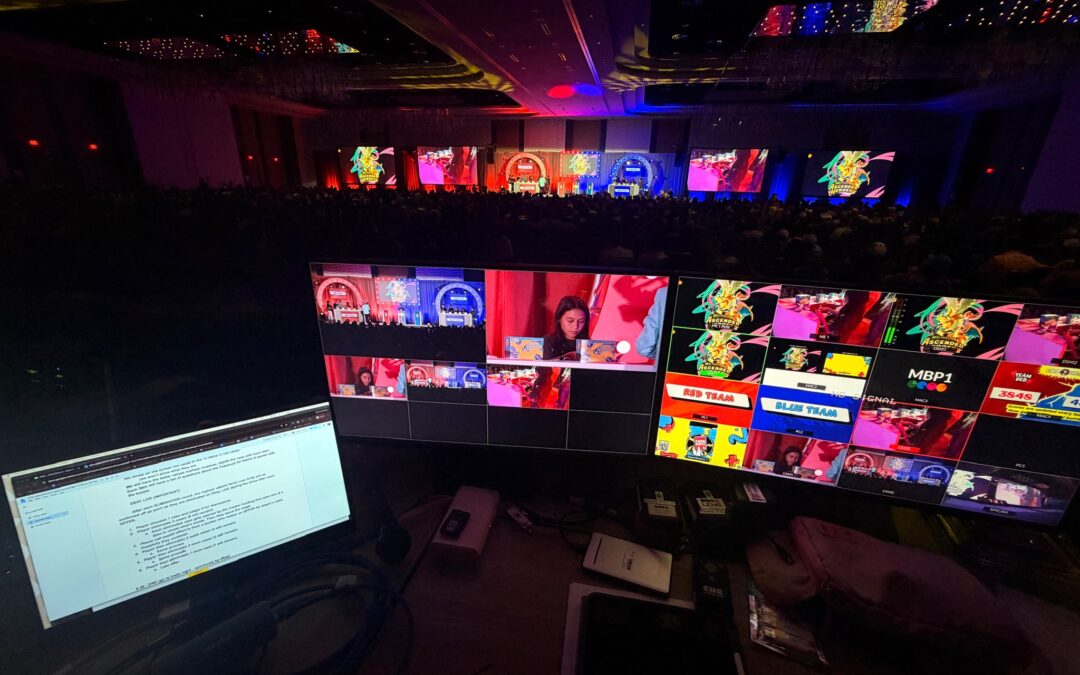
When planners think about their event, most of the attention naturally goes to show days. That is when the lights come on, presenters take the stage, videos roll, and attendees experience the finished product. What many people never see is the significant amount of work that happens long before the first attendee arrives.
In fact, some of the most important event production work takes place in the weeks and months leading up to an event. A successful corporate meeting, conference, or general session is rarely the result of what happens onsite. It is usually the result of thoughtful preparation, strong communication, and careful coordination behind the scenes. For planners, understanding what happens during this pre-event phase can make it easier to evaluate potential AV partners and know what level of service to expect after signing a contract.
The Work Begins Long Before Load-In
Many people assume that once an AV contract is signed, the production company simply waits until event week to begin preparing. In reality, the planning process starts immediately. The AV team begins translating the event vision into a production plan that can actually be executed. While planners are working through agenda updates, speaker management, attendee logistics, and venue coordination, the production team is tackling a different set of challenges.
One of the first priorities is securing the right crew. Every event has unique requirements, and not every technician or production professional is the right fit for every show. Production companies are evaluating skill sets, availability, travel requirements, and event complexity to build a team that can successfully support the program. At the same time, equipment is being reserved and allocated. Production companies often manage inventory across multiple events happening at the same time. Reserving the necessary audio, video, lighting, staging, and support equipment early helps ensure that everything required for the event will be available when it is needed.
Creative Development Continues After the Contract Is Signed
One common misconception is that all event decisions are finalized before production begins. In reality, many corporate events continue to evolve well after contracts are executed.
Stage designs may still be taking shape. Presentation formats might be changing. Branding elements could be refined. New ideas often emerge as stakeholders become more involved in the planning process. A production partner should be helping navigate these changes rather than simply reacting to them. Sometimes this means developing creative concepts that support an event theme. Other times it involves producing videos, creating motion graphics, or helping determine how content will be presented on stage. The best production teams understand that events are living projects. They remain flexible while still maintaining the structure necessary to keep planning on track.
Logistics Are More Complex Than They Appear
When people hear the word logistics, they often think about shipping equipment. While transportation is certainly part of the process, the reality is much broader. Production teams are coordinating travel arrangements, hotel accommodations, crew schedules, equipment delivery timelines, onsite transportation, venue access requirements, and countless other details. Every moving piece must align perfectly with the event schedule.
A delayed shipment, an unavailable loading dock, or an overlooked venue requirement can create challenges that affect the entire production timeline. That is why experienced production partners invest significant time into logistics planning before event week ever arrives. When these efforts are successful, planners rarely notice them. Everything simply appears to run smoothly.
Communication Is One of the Most Important Responsibilities
One of the biggest challenges in event production is making sure information flows correctly from planning meetings to the onsite team. The people discussing strategy and creative direction months before an event are not always the same people operating equipment onsite. Without a clear communication process, important details can get lost along the way.
A strong production company develops systems to ensure that information is transferred accurately. The vision discussed during planning meetings must eventually become actionable instructions for technicians, stage managers, operators, and crew members. Every detail matters, from presentation timing to stage transitions to specific audio and video cues. When communication is handled properly, the onsite team arrives prepared and aligned with the planner’s expectations.
What Planners Should Expect After Signing a Contract
A great AV partnership does not begin on show day. It begins immediately after the agreement is finalized. One of the first steps should be a formal handoff from the sales process into the production process. Depending on the company, this may involve a project manager, production manager, or another dedicated team member who becomes the primary point of contact moving forward. This transition is important because the focus shifts from selling a solution to executing it.
The production lead should schedule an introductory meeting to review objectives, confirm expectations, and discuss any changes that may have occurred since the proposal stage. This conversation creates alignment and establishes the foundation for the rest of the planning process.
Regular Checkpoints Keep Projects Moving Forward
Corporate events rarely stay static for months at a time. Speakers change. Agendas shift. Session formats evolve. New ideas emerge. Budget considerations arise. Because of this, planners should expect regular touchpoints with their AV team throughout the planning cycle. The frequency of these meetings will vary depending on the size and complexity of the event. A smaller meeting may require fewer discussions, while a large conference could involve ongoing coordination over several months. The purpose remains the same. These conversations help ensure milestones are being met, decisions are being made, and potential issues are identified before they become problems. Consistent communication also helps maintain momentum and keeps everyone working toward the same goals.
Production Schedules Are More Important Than Many Realize
One of the most valuable planning tools an AV partner can provide is a detailed production schedule. This schedule becomes the roadmap for the event. It outlines load-in timelines, rehearsal schedules, room readiness targets, show times, transitions, and load-out plans.
A strong production schedule does more than organize activities. It can also reveal budget risks before they occur. For example, detailed scheduling may uncover situations where labor hours extend into overtime. It may identify meal penalty concerns or highlight inefficient timing that increases costs unnecessarily. When these issues are identified early, planners often have opportunities to adjust schedules and avoid unexpected expenses.
That type of proactive planning can have a meaningful impact on both budget and execution.
The Final Weeks Matter Most
As the event approaches, planning shifts into finalization mode. Presentations should be nearing completion. Videos should be approved. Creative assets should be locked. Equipment assignments should be finalized. Crew schedules should be confirmed. This is also when production teams assemble comprehensive event documentation for onsite staff. Every technician, operator, and production professional should have access to the information necessary to perform their role successfully. The more prepared the team is before arriving onsite, the more efficiently the event can operate. By the time load-in begins, there should be very few unanswered questions.
Great Events Are Built Before Event Week
Live events will always involve a degree of unpredictability. Last-minute adjustments are part of the business.
However, the amount of uncertainty that reaches show day can be dramatically reduced through strong planning, communication, and preparation. The most successful AV partnerships are built on a collaborative process that begins long before attendees walk through the doors. A production company should be doing much more than providing equipment. They should be helping manage timelines, coordinate logistics, refine creative elements, communicate expectations, and prepare every member of the production team for success. When that work is done well, planners often experience something that feels surprisingly simple: an event that runs smoothly. What appears effortless onsite is usually the result of weeks or months of careful preparation behind the scenes.
Would you like to feel more informed of this process? We’ve got you covered! Just listen here: