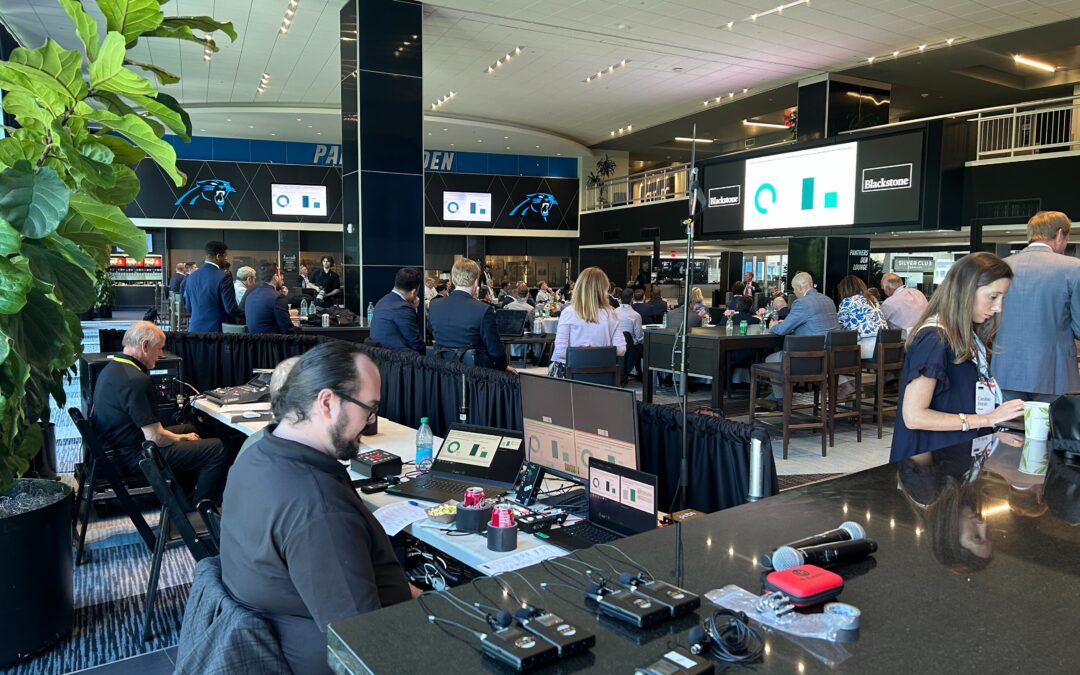
For many event planners, audiovisual production is one of the largest line items in an event budget. It often sits alongside venue rental and food and beverage as one of the most significant expenses. Yet AV remains one of the least understood areas of event planning. A common question planners ask is simple: Why is AV so expensive?
The answer is not as straightforward as the cost of a projector, microphone, or LED wall. AV pricing is influenced by a combination of labor, equipment, venue requirements, event complexity, and planning decisions that are often made long before an AV company becomes involved. Understanding what drives these costs can help planners make more informed decisions, avoid surprises, and build budgets that align with their event goals.
The Industry Factors Behind Rising AV Costs
Before looking at specific event decisions, it is important to understand some of the broader factors that have affected the AV industry over the last several years. Like many industries, event production has experienced significant disruption. Supply chain challenges affected the availability and cost of equipment. Demand for live events fluctuated, making long-term planning more difficult for production companies. Event formats also changed rapidly as organizations moved between in-person, virtual, and hybrid experiences.
At the same time, the industry experienced a loss of talent. Many experienced professionals left the business during periods of uncertainty and pursued careers elsewhere. As live events returned, production companies found themselves competing for a smaller pool of skilled technicians and operators. Basic inflation has also played a role. Equipment costs increased. Transportation costs increased. Labor costs increased. The result is an environment where production companies face higher operating expenses than they did just a few years ago. While planners cannot control these industry-wide conditions, understanding them provides valuable context when evaluating AV proposals and budgets.
Location Matters More Than Many Planners Realize
One of the biggest factors influencing AV costs is often determined before the production team is selected. The location of an event can dramatically affect the overall production budget.
Certain cities and venues have labor requirements, union regulations, exclusive vendor agreements, or venue-specific policies that increase costs. In some locations, planners may be required to use the venue’s in-house AV provider. In others, outside providers are allowed but may be subject to additional fees or restrictions. These expenses are often hidden until the planning process is well underway.
That is why production considerations should be part of the site selection process. The person responsible for managing the event budget should have a voice when venues are being evaluated. A location that appears cost-effective on paper can become significantly more expensive once production requirements are factored in. The earlier these conversations happen, the easier it becomes to avoid unexpected expenses.
Event Complexity Directly Impacts Production Costs
Not every event requires the same level of production. A straightforward meeting with a few microphones, presentation screens, and basic sound reinforcement will naturally require fewer resources than a large conference featuring multiple presenters, custom staging, video content, and live streaming. As complexity increases, so do production requirements. For example, many organizations now expect their events to reflect their brand identity and company culture. They want professional stage designs, dynamic visuals, engaging content, and polished attendee experiences. Those goals often require additional equipment, additional planning, and additional technical support.
Complexity can also take many forms. An event that serves both in-person and virtual audiences requires systems that support each experience simultaneously. A conference featuring remote presenters introduces additional technical considerations. Sessions that will be repurposed into future content may require higher-quality recording and production standards. None of these elements are inherently problematic. In fact, they often add tremendous value to an event. The key is recognizing that every additional requirement introduces new layers of planning, equipment, and labor that contribute to the overall budget.
Audience Size Influences More Than Room Capacity
When planners think about attendance numbers, they often focus on room size and catering needs. From an AV perspective, audience size has a significant impact on production design. As attendance grows, audio systems must cover larger spaces. Screens must be visible from greater distances. Lighting requirements become more substantial. Larger audiences often require additional technical support to ensure a smooth experience. A presentation that works well for 100 attendees may not be effective for 1,000 attendees without meaningful adjustments to the production plan.
The goal of AV is not simply to provide equipment. The goal is to ensure every attendee can clearly hear, see, and engage with the content. As audience size increases, achieving that goal requires additional resources.
Deliverables Affect Budget Requirements
One area that planners sometimes overlook is the impact of post-event deliverables. There is a significant difference between recording a session for internal reference and creating a polished video asset for future marketing or training purposes. A simple recording may require minimal editing. A finished video package may involve graphics, titles, color correction, audio cleanup, and extensive post-production work.
The same principle applies to content capture throughout an event. If the expectation is to create a library of future content, produce highlight videos, support social media campaigns, or build educational resources, those goals should be discussed early in the planning process. Production teams can design systems that support those outcomes, but they need to understand the expectations in advance. When deliverables are added late in the process, budgets often increase because additional resources must be introduced to meet those objectives.
Venue Fees and Policies Can Create Hidden Expenses
Venue contracts contain details that can significantly affect production costs. Some venues charge fees for outside vendors. Others require specific labor providers. Some have restrictions on load-in schedules, rigging, power usage, or equipment placement. These policies may seem minor individually, but collectively they can have a meaningful impact on a production budget. For that reason, planners should carefully review venue agreements and ask detailed questions during site visits.
It is also helpful to involve experienced production partners during venue evaluations. AV professionals often know which questions to ask and can identify potential challenges before contracts are signed. A small amount of due diligence during venue selection can prevent costly surprises later.
Equipment Choices Influence the Final Number
Not all production equipment serves the same purpose. A basic presentation setup requires a very different equipment package than a high-profile conference focused on creating an immersive attendee experience. Larger LED displays, advanced lighting systems, broadcast-quality cameras, media servers, and scenic elements all contribute to higher production costs. They also contribute to a higher level of audience engagement and production value.
The important consideration is alignment. Equipment decisions should support the goals of the event. If a premium production experience is important to the organization, the budget should reflect that priority. If the objective is a simple internal meeting, a more streamlined approach may be entirely appropriate. The best production plans balance expectations, audience needs, and budget realities.
Talent Is Often the Most Valuable Resource
While equipment receives much of the attention, skilled people are often the most important component of a successful event. Technicians, engineers, production managers, camera operators, lighting designers, and show callers all play essential roles in delivering a seamless attendee experience.
As events become more sophisticated, the need for experienced professionals increases. High-level talent commands higher rates because those individuals bring years of expertise, problem-solving ability, and technical knowledge to an event. When everything works flawlessly, attendees rarely notice. When something goes wrong, the value of an experienced production team becomes immediately apparent. Investing in qualified talent is often one of the smartest decisions an event organizer can make.
A Practical Way to Control Costs
One of the most effective ways to manage AV expenses is surprisingly simple: involve production partners early. Early collaboration allows planners to identify cost drivers before they become problems. It creates opportunities to evaluate venues, adjust scope, simplify logistics, and prioritize investments that deliver the greatest impact. Waiting until contracts are signed or plans are finalized often limits flexibility and reduces available options.
Another valuable resource is the local convention and visitors bureau. These organizations have deep knowledge of venues, service providers, and local market conditions. They can often help planners identify locations that align with both event goals and budget requirements.
AV costs are not driven by a single factor. They are the result of many interconnected decisions involving location, complexity, audience size, equipment, talent, venue policies, and event objectives. The more planners understand these variables, the easier it becomes to create realistic budgets and productive conversations with AV partners. Rather than asking why AV is expensive, a better question is: What experience are we trying to create, and what resources are required to make that experience successful?
When planners and production teams work together early in the process, the answer becomes much clearer. Would you like to listen to the whole episode? Click here: