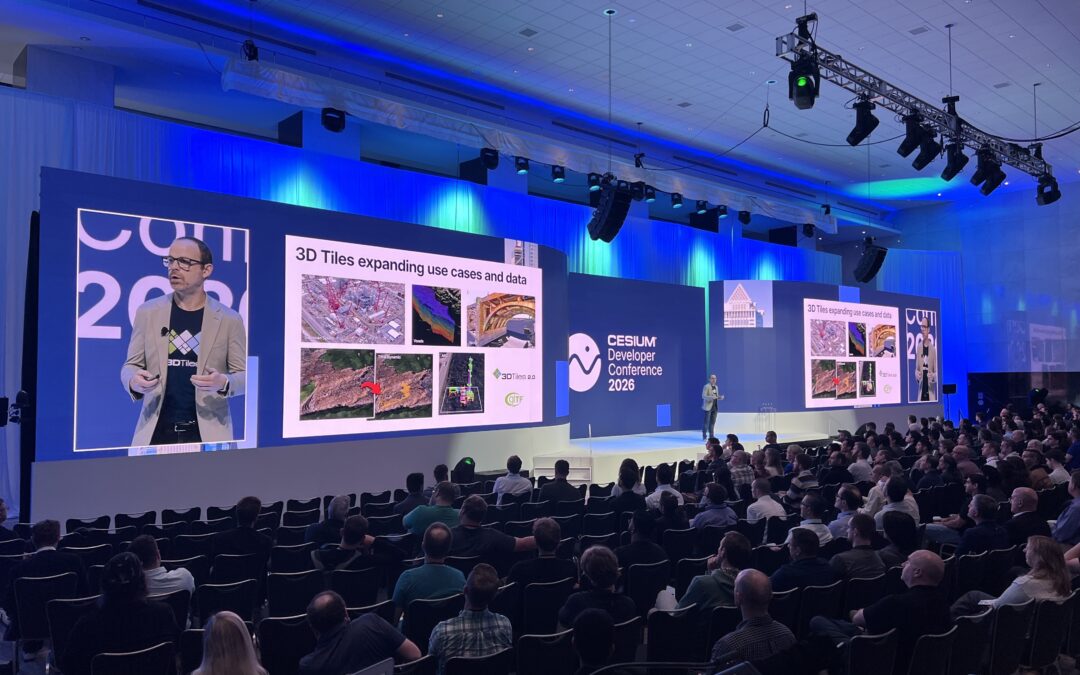
A successful general session rarely happens by accident. Long before the lights come up and the first speaker walks on stage, dozens of planning decisions determine how smoothly the event will run. While attendees may only notice the final result, event planners know that success is built during the planning process.
One of the biggest challenges is that many of the most important decisions don’t seem significant at the time. A meeting scheduled a few hours too early, a ballroom layout that doesn’t account for production equipment, or an overlooked production schedule can create unnecessary expenses, delays, and frustration once everyone arrives onsite.
The good news is that many of these problems are completely preventable. They begin with asking the right questions early and working closely with your AV partner throughout the planning process. If you’re preparing a corporate meeting or conference, here are five planning decisions that deserve careful attention before your event begins.
Start With a Thorough Production Planning Meeting
One of the simplest ways to avoid costly surprises is to schedule a detailed planning meeting with your AV project manager or production lead before load-in begins. Many planners naturally focus on the agenda, speakers, and attendee experience. Your AV partner is looking at the event from a different perspective. They’re thinking about equipment, staffing, power requirements, staging, rehearsal schedules, and how everything fits together operationally. Bringing those perspectives together before anyone arrives onsite creates an opportunity to identify issues while they’re still easy to solve.
This meeting should cover the entire production schedule, including load-in, rehearsals, cue-to-cue sessions, show times, and load-out. Every milestone should be reviewed together so both teams have the same expectations. Small timing differences may not seem important during planning, but they often become major issues once crews have arrived and equipment is already being installed. Catching those conflicts a week or two before the event is far easier than trying to solve them onsite. Think of this meeting as your final quality check before production begins.
Design the Room Around the Technology
Ballroom capacity charts are helpful, but they rarely tell the complete story. Hotels often provide room layouts that show how many attendees can fit into a space. Those diagrams may include projection screens or a basic stage, but they don’t always account for the full production footprint needed for your specific event.
Lighting positions, audio mix locations, camera platforms, LED walls, staging, backstage space, and cable paths all require room. Without considering those elements during the planning process, it’s possible to discover during setup that the room no longer fits the number of attendees you expected. That creates difficult decisions at exactly the wrong time.
Instead, ask your AV partner to create a production layout that includes every technical element alongside the seating plan. This provides a much more realistic picture of how the room will function once production equipment is installed. A room that feels comfortable for attendees also creates a better experience. People can move more easily, technicians have the space they need to work safely, and presenters aren’t competing with equipment that had nowhere else to go. Proper room planning protects both your budget and your attendee experience.
Make Sure You Have Enough Time for Load-In and Load-Out
Time is one of the most overlooked parts of production planning. Many venue contracts focus primarily on the hours when attendees occupy the ballroom. Production teams, however, begin working long before guests arrive and often continue well after the event concludes.
If your event requires a complex stage design, multiple screens, lighting systems, or large LED displays, setup may take significantly longer than expected. Assuming everything can be installed in just a few hours often leads to rushed crews, compressed rehearsal schedules, and unnecessary stress. The same principle applies after the event.
Many planners focus on the final session but forget to account for the time required to safely dismantle the production. If another client is scheduled to use the room immediately afterward, the production team may be forced into overnight overtime or unsafe working conditions to clear the space. These situations frequently increase labor costs far more than simply booking the room for additional time. Before finalizing your venue schedule, ask your AV partner how much time is realistically needed for both setup and teardown. Their answer should help shape your venue reservation rather than the other way around.
Don’t Automatically Assume Ground Support Is the Best Choice
Many planners choose ground-supported structures because they want to avoid venue rigging costs. While that’s understandable, the lowest upfront cost isn’t always the most effective solution. Ground-supported systems occupy valuable floor space that could otherwise be used for seating, staging, or attendee movement. In smaller ballrooms, that lost space can become a significant limitation.
Flying production elements from the ceiling may involve additional venue costs, but it can also free up valuable square footage, improve sightlines, and create a cleaner overall design. Every event is different.
The right decision depends on your room dimensions, audience size, production goals, and budget priorities. Rather than assuming one approach is always better, discuss both options with your production team. An experienced AV partner can explain the tradeoffs and help determine which solution delivers the greatest value for your specific event. Sometimes spending slightly more in one area creates meaningful savings somewhere else.
Build Your Schedule to Reduce Overtime
Labor is one of the largest components of any production budget. Fortunately, scheduling decisions can have a significant impact on labor costs. A production schedule that stretches crews across long days with large gaps between activities often results in overtime that could have been avoided through minor adjustments.
Sometimes moving a rehearsal by a few hours or slightly reorganizing the sequence of sessions allows technicians to complete the same work during standard labor hours. These changes rarely affect the attendee experience, but they can make a noticeable difference in the production budget.
One example illustrates this well. A client originally planned a three-day production schedule that called for AV crews to begin setup on the first day, rehearse during the second day, and present the event on the third. After reviewing the complete schedule, it became clear that the production equipment didn’t actually need to be installed until the morning of the second day. The room setup could proceed as planned while the AV installation was compressed into a shorter timeframe. The result was thousands of dollars in savings by eliminating an unnecessary day of equipment rental and labor without affecting the quality of the event.
Those opportunities only become visible when planners and production teams review the schedule together early in the process.
Better Questions Lead to Better Events
General sessions involve hundreds of moving parts, and no planner can be expected to anticipate every production challenge alone. That’s why the relationship with your AV partner matters so much. The earlier production discussions begin, the more opportunities there are to simplify logistics, reduce unnecessary expenses, and eliminate problems before they reach the show floor. Instead of focusing only on equipment lists and pricing, spend time asking bigger planning questions.
Does the schedule make sense?
Does the room truly fit the production?
Is there enough time for setup and teardown?
Are there alternative approaches that improve efficiency?
Those conversations often uncover solutions that save money while creating a smoother experience for everyone involved. The best general sessions aren’t simply the ones with impressive technology. They’re the ones where thoughtful planning allows every technical element to support the message, the presenters, and the audience without distraction.
Would you like to learn more? Tune in here: